How many units is each Melanotan I amount?
At 10 mg + 2 mL (5 mg/mL) on a U-100 syringe:
Generated from the calculator's own functions. Rows are evenly spaced reference amounts, not suggested amounts. Amber readings don't fit a 100-unit barrel.
| Amount | mg | Volume (mL) | Syringe units |
|---|---|---|---|
| 100 mcg | 0.1 | 0.02 | 2 |
| 200 mcg | 0.2 | 0.04 | 4 |
| 250 mcg | 0.25 | 0.05 | 5 |
| 300 mcg | 0.3 | 0.06 | 6 |
| 400 mcg | 0.4 | 0.08 | 8 |
| 500 mcg | 0.5 | 0.1 | 10 |
| 750 mcg | 0.75 | 0.15 | 15 |
| 1,000 mcg | 1 | 0.2 | 20 |
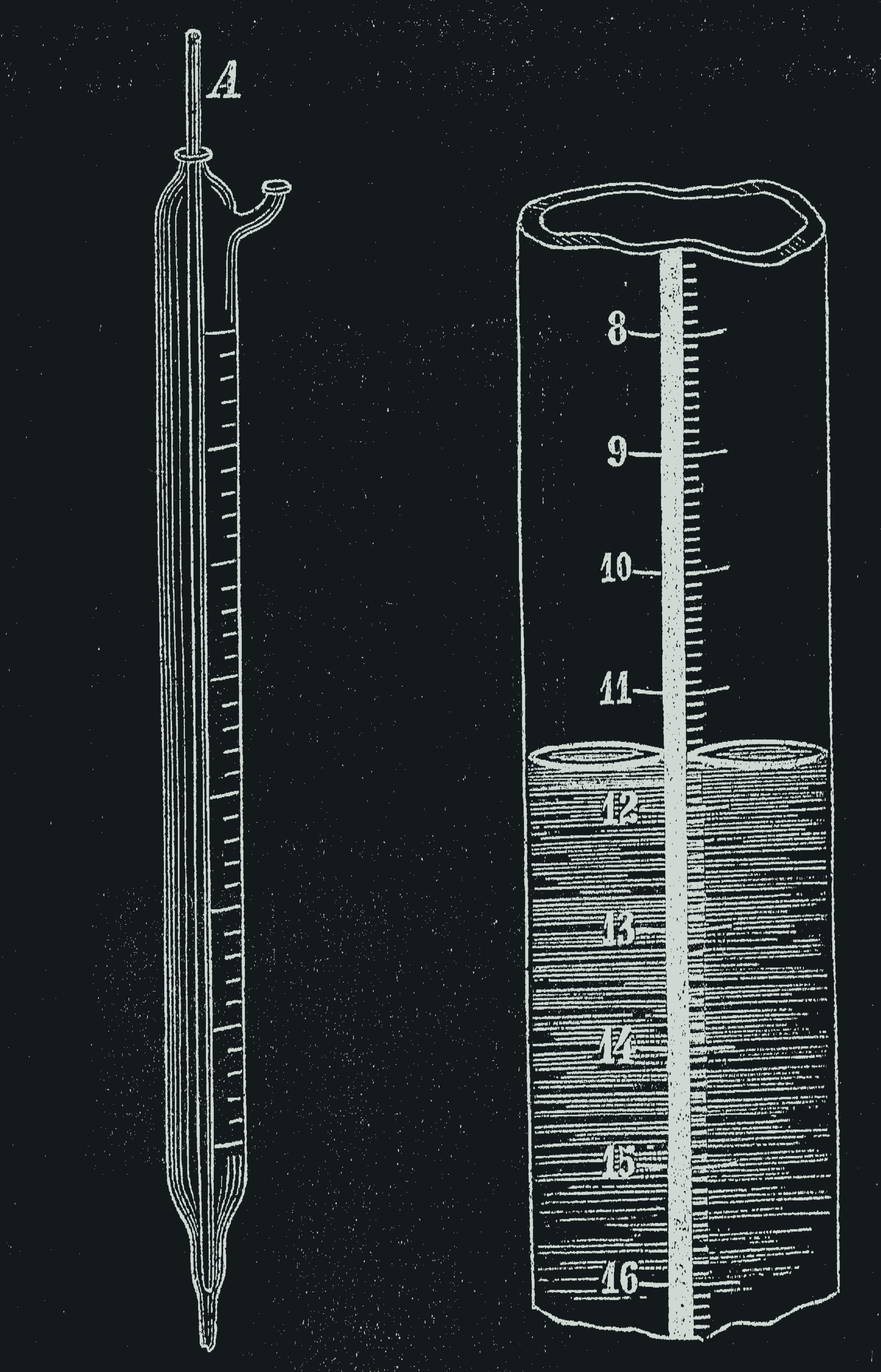

How much water for each Melanotan I vial size?
Melanotan I is sold in one common size (10 mg). The same water volume gives a different concentration in each, so the same reading means a different amount. Each cell shows mcg per unit with mg/mL in brackets.
| Vial | 1 mL | 2 mL | 3 mL | 5 mL |
|---|---|---|---|---|
| 10 mg | 100 (10) | 50 (5) | 33.33 (3.33) | 20 (2) |
How much bacteriostatic water for a 10 mg Melanotan I vial?
1 mL → 10 mg/mL, so 500 mcg is 5 units. 2 mL → 5 mg/mL, so 500 mcg is 10 units. 3 mL → 3.33 mg/mL, so 500 mcg is 15 units. The whole vial holds 20 draws of 500 mcg.
Worked example: 10 mg vial, 2 mL, 500 mcg
- Concentration. 10 mg ÷ 2 mL = 5 mg/mL (5,000 mcg/mL).
- Volume. 0.5 mg ÷ 5 mg/mL = 0.1 mL.
- Units. 0.1 mL × 100 = 10 units on a U-100 syringe.
- Check. One unit holds 50 mcg; 10 × 50 mcg = 500 mcg = 0.5 mg, which matches. The vial holds 20 draws of this size.
Melanotan I: notes for the arithmetic
Melanotan I and Melanotan II are different molecules with different molecular weights (1,646.8 vs 1,024.2 g/mol), but the syringe arithmetic only uses mass: 10 mg in 2 mL is 5 mg/mL for either. Check which one your vial says before you use a chart.
For the lab procedure itself (materials, aseptic technique, mixing without foaming) see how to reconstitute peptides. For what bacteriostatic water is and how long an opened vial is kept, see the bacteriostatic water guide and the storage guide.
Frequently asked questions
How many units is 500 mcg of Melanotan I?
It depends on the water volume. 10 mg + 2 mL = 5 mg/mL, so 500 mcg is 0.1 mL, or 10 units on a U-100 syringe. With 1 mL instead it would be 5 units.
How much bacteriostatic water for a 10 mg Melanotan I vial?
There is no single correct volume. 1 mL gives 10 mg/mL (100 mcg per unit); 2 mL gives 5 mg/mL (50 mcg per unit); 3 mL gives 3.33 mg/mL (33.33 mcg per unit). Pick the volume that makes your reading easy to measure on the barrel you have.
How many mg of Melanotan I is 10 units?
10 units on a U-100 syringe is 0.1 mL. At 5 mg/mL (10 mg in 2 mL) that is 0.5 mg (500 mcg). At a different concentration the answer is different.
Is this a Melanotan I dosing calculator?
It is an arithmetic tool. It converts an amount you enter into a volume and a syringe reading; it does not suggest amounts, schedules or uses. Afamelanotide is FDA-approved only as Scenesse, a 16 mg implant placed under the skin by a healthcare professional for erythropoietic protoporphyria (EPP). Research-labeled vials are not that product and are not FDA-approved.
Sources
- NDA 210797 approval letter: Scenesse (afamelanotide) implant, 16 mg
- FDA alerts health care providers, compounders and patients of dosing errors associated with compounded injectable semaglutide products
Links checked 2026-10-19.