The formula, in plain arithmetic
Every peptide reconstitution question is the same three divisions. The calculator above runs exactly these, and our methodology page lists the rounding rules and the unit tests that check them.
volume (mL) = amount (mg) ÷ concentration (mg/mL)
units = volume (mL) × syringe scale (100 on a U-100 syringe)
Two consequences follow. First, a "units" number only means something next to a concentration: 40 units is 2 mg at 5 mg/mL but 8 mg at 20 mg/mL. Second, adding more water never changes how much peptide is in the vial. It only spreads the same milligrams across more milliliters, so each unit holds less.
Worked example: 10 mg vial, 2 mL water, 2 mg
- Concentration. 10 mg ÷ 2 mL = 5 mg/mL (5,000 mcg per mL).
- Volume. 2 mg ÷ 5 mg/mL = 0.4 mL.
- Units. 0.4 mL × 100 = 40 units on a U-100 syringe. On a 1 mL barrel with 2-unit ticks that is the 40 line; on a 0.5 mL barrel it is the 40 line as well (same scale, finer ticks).
- Check. Each unit holds 5 mg/mL ÷ 100 = 0.05 mg (50 mcg), and 40 × 0.05 = 2 mg, which matches. The vial holds 10 ÷ 2 = 5 draws of this size.
Change any one input and all four numbers move together. That is what the live readout shows. If your reading would not fit the barrel, or falls between tick marks, the calculator says so instead of quietly rounding.
mg → units chart: 10 mg vial with 2 mL
The same arithmetic as a lookup table, generated from the calculator's own code at build time. Rows are evenly spaced reference amounts, not suggested amounts.
| Amount | mcg | Volume (mL) | Syringe units |
|---|---|---|---|
| 0.25 mg | 250 | 0.05 | 5 |
| 0.5 mg | 500 | 0.1 | 10 |
| 1 mg | 1,000 | 0.2 | 20 |
| 1.5 mg | 1,500 | 0.3 | 30 |
| 2 mg | 2,000 | 0.4 | 40 |
| 2.5 mg | 2,500 | 0.5 | 50 |
| 3 mg | 3,000 | 0.6 | 60 |
| 4 mg | 4,000 | 0.8 | 80 |
| 5 mg | 5,000 | 1 | 100 |
| 7.5 mg | 7,500 | 1.5 | 150 (> 100) |
| 10 mg | 10,000 | 2 | 200 (> 100) |
For other vial sizes, open the calculator for your compound (each has its own chart) or use the mg to units converter.
Choosing a water volume
The volume of bacteriostatic water is the one input you choose rather than read off a label, and it controls how readable every later measurement is. Here is the same 10 mg vial and a 1 mg amount at different volumes:
| Water added | mg/mL | mcg per unit | Units for 1 mg | Smallest U-100 barrel |
|---|---|---|---|---|
| 0.5 mL | 20 | 200 | 5 | 30-unit |
| 1 mL | 10 | 100 | 10 | 30-unit |
| 1.5 mL | 6.67 | 66.67 | 15 | 30-unit |
| 2 mL | 5 | 50 | 20 | 30-unit |
| 2.5 mL | 4 | 40 | 25 | 30-unit |
| 3 mL | 3.33 | 33.33 | 30 | 30-unit |
| 4 mL | 2.5 | 25 | 40 | 50-unit |
| 5 mL | 2 | 20 | 50 | 50-unit |
- More water: lower concentration, larger readings. Small amounts become easier to read, but large amounts may not fit a 0.3 mL (30-unit) barrel.
- Less water: higher concentration, smaller readings. Large amounts fit in one draw, but a one-unit misread is a bigger share of the amount.
- Round numbers help. Volumes that make each unit a round figure (for example 2 mL in a 10 mg vial → 50 mcg per unit) make hand-checking easy.
- Vial headroom. A vial can only hold so much liquid. Check its capacity before planning 5 mL or more.
If you know the reading you want and need the water volume, use the reverse mode on the bacteriostatic water calculator.
Common mistakes the calculator guards against
- mcg vs mg. 250 mcg is 0.25 mg, not 250 mg. The unit switch converts for you; the hint under the field repeats the rule.
- U-40 or U-50 syringes. Veterinary and some specialty syringes are not U-100. On a U-40 barrel, 40 units is 1 mL. Choose "Other scales" if that is what you have, and read the syringe guide.
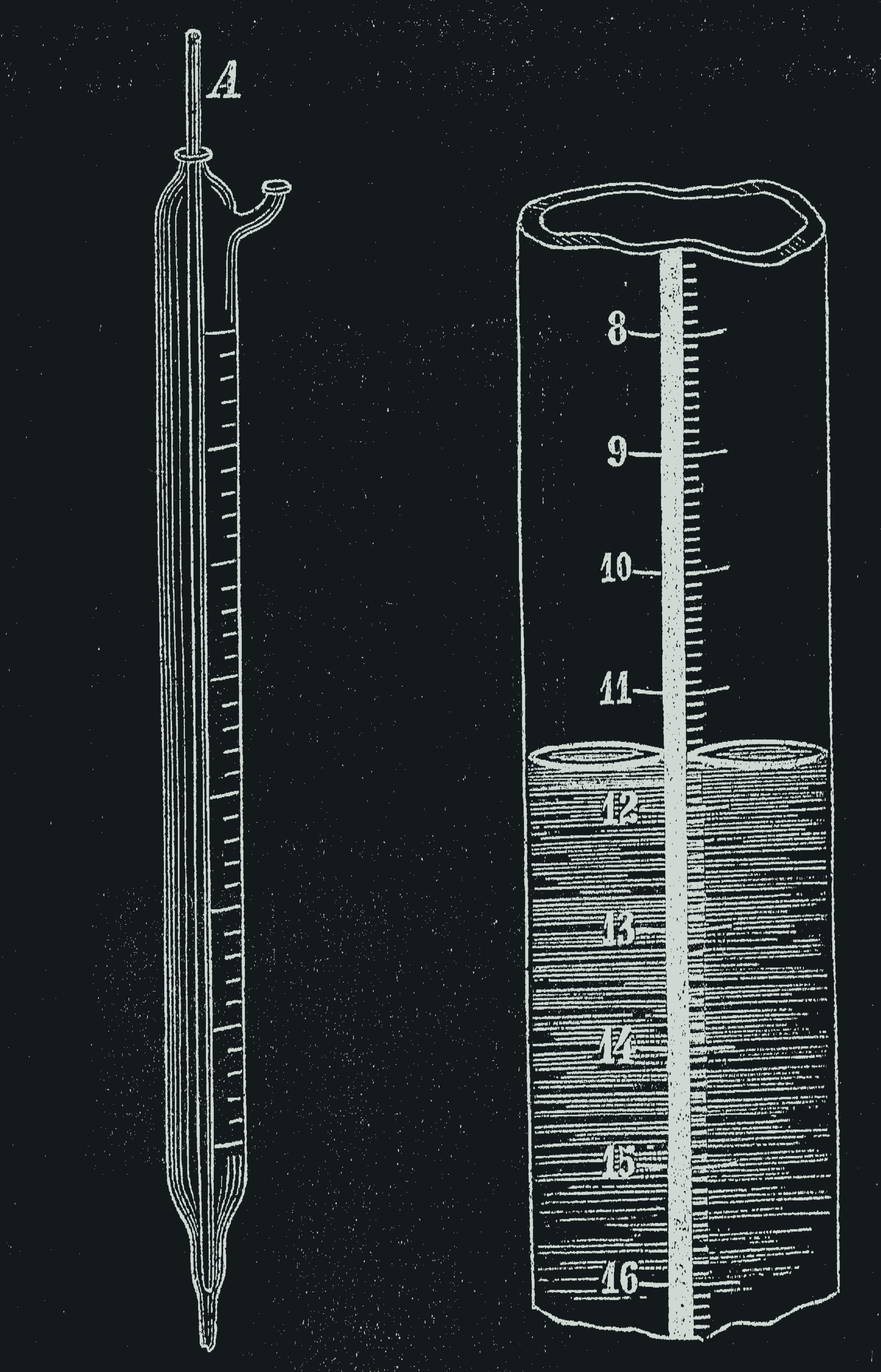
- Reading 2-unit ticks as 1-unit ticks. Most 1 mL barrels mark every 2 units. The calculator reports the nearest printed mark when a result falls between them.
- Forgetting the vial changed. A new vial size or a different water volume means a new concentration. Old readings no longer apply.
- More than the barrel holds. If a draw exceeds the barrel the syringe turns amber and the warning explains why.